Introduction: Why Small Businesses Need a CRM
Small business is a juggling act. You have sales, marketing, customer service and the operations all requiring your attention. It is becoming overwhelming
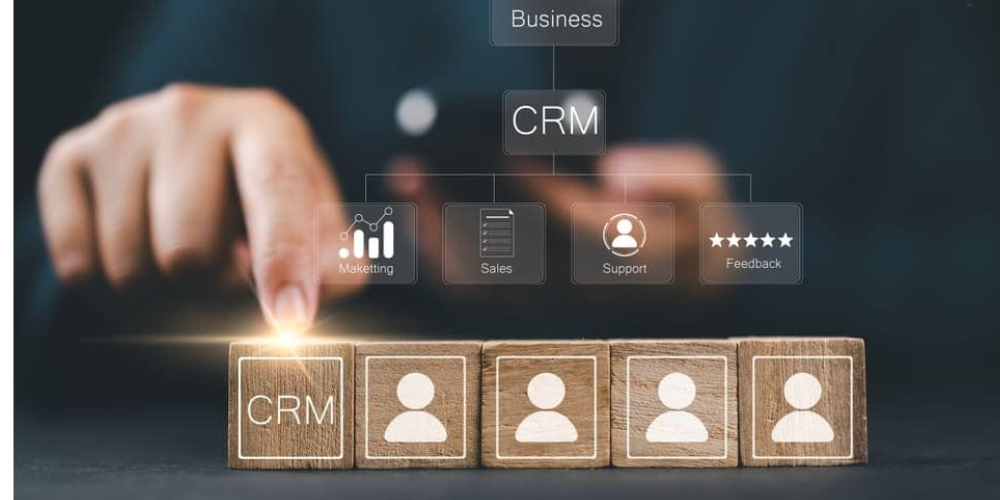
Such is where CRM small business comes into the picture. A CRM or a Customer Relationship Management tool is an application that will help you streamline your customers, leads, and sales. It is a virtual assistant capable of pulling all your customer data together.
To small business proprietors, this is not just convenient it can be life changing. The CRM enables you to save on time, enhance sales and customer relations.
This blog post will discuss the importance of the CRM and the following benefits, with simple examples, real life stories and actionable tips.
1. Organize Customer Data Efficiently
Following up on customer information is one of the largest problems that small enterprise face.
Consider that you have a bakery. You possess thousands of clients and each is unique in tastes. There are people who like chocolate croissants. Some are gluten-free bread eaters. Collection of such detail is difficult without appropriate plan.A CRM solves this problem by centralizing all customer data:
- Contacts: Names, phone numbers, emails.
- Purchase history: What each customer bought.
- Preferences: Favorite products or services.
- Notes: Any extra info about customers.
Real-life example: It is an example of a minor store that could track orders with the help of spreadsheets. Error was frequent, and a few clients had to be omitted. All customer information could be found in one place after the usage of a CRM. The little shop was able to give individualised promotions and recalls. Result? There was an improved frequency of sales on repeat and customer satisfaction.
Takeaway: A CRM is like a personal assistant for your business. It remembers every detail so you don’t have to.
2. Improve Lead Management and Sales
Leads are potential customers. Managing them efficiently can boost your sales.
A CRM helps you track leads from the first interaction to a completed sale. You can:
- Assign leads to team members
- Set follow-up reminders
- Track the progress of each lead
Analogy: Think of your leads as plants. Without care, some will wither. A CRM is like a gardener it reminds you to water and nurture each plant until it grows into a loyal customer.
Real-life example: One of the digital marketing agencies could not track prospects. Contacting some of the leads may have occurred more than once. Others were neglected. Once embracing a CRM, no lead was left un-owned, reminders were automatic and follow-ups were never missed. In a few months sales grew by 30 percent.
Takeaway: A CRM ensures no opportunity is lost. It actively helps grow your revenue.
3. Enhance Customer Relationships
Customer loyalty is built on trust and personalized experiences. A CRM helps you achieve that.
With a CRM, you can:
- Send personalized messages
- Offer discounts based on purchase history
- Remind customers about birthdays or special events
Real-life example: A small coffee shop followed the customers who visited its stores frequently with a CRM. They mailed custom coupons to each customer on his/her favorite drink. The personal touch was popular with customers. Result? Additional foot traffic and word of mouth advertisement.
Takeaway: A CRM lets you treat each customer as an individual, not just a number. Personal attention leads to loyalty and long-term growth.

4. Save Time and Increase Productivity
Running a small business means wearing many hats. Tracking customers manually consumes hours.
A CRM automates repetitive tasks:
- Sending follow-up emails
- Scheduling appointments
- Tracking customer interactions
Example: A small e-commerce store manually updated order statuses. With a CRM, confirmations and shipping updates were automated. The team saved several hours every week. This time was used for marketing campaigns and product development.
Takeaway: A CRM acts as a digital assistant, working 24/7 to organize, remind, and automate. You focus on growing your business, not administrative tasks.
5. Gain Insights Through Analytics
A CRM doesn’t just store data. It gives insights.
- Track which products sell best
- Identify your most loyal customers
- Understand trends in customer behavior
- Forecast future sales
Real-life example: A small fitness studio used a CRM to track memberships and attendance. They discovered certain classes were more popular in the mornings. They adjusted their schedule accordingly, increasing attendance and revenue.
Takeaway: Analytics from a CRM helps you make smarter business decisions.
6. Improve Team Collaboration
Even small teams need collaboration. A CRM ensures everyone is on the same page.
- Share customer notes among team members
- Track interactions across sales, marketing, and support
- Avoid duplicate work or missed follow-ups
Example: A medium sized design firm employed three sales people who called prospects. Absent a CRM, certain clients would receive numerous calls and some would not be answered. Once CRM adoption was adopted, every interaction could be seen. There was better cooperation among the team and also the customers were pleased.Takeaway: A CRM keeps your team coordinated and professional.
7. Easy Integration with Other Tools
Modern CRMs integrate with:
- Email marketing platforms
- Accounting software
- E-commerce platforms
- Social media
Example: A small online store integrated their CRM with their email tool. Every purchase triggered a thank-you email automatically. Customers appreciated the quick response, and repeat orders increased.
Takeaway: Integration makes your CRM even more powerful, saving time and improving workflows.
Also Read:Cigna Health Insurance: Complete Guide to Plans, Benefits, and Coverage
8. Scalability for Growth
A CRM isn’t just for now it grows with your business.
- Start with basic contact management
- Add sales pipeline tracking later
- Include marketing automation as you expand
Real-life example: Small boutique with a free CRM to keep customers. They followed up with sales tracking, email campaigns and analytics as their business expanded. The CRM grew but did not have to be replaced with a totally new system.
Takeaway: A CRM grows with your business, making it a long-term investment.
Conclusion
A CRM for small business isn’t just a software it’s a growth partner.
Key benefits recap:
- Organizes customer data efficiently
- Boosts lead management and sales
- Enhances customer relationships with personalization
- Saves time and increases productivity
- Provides insights and analytics for smart decisions
- Improves team collaboration
- Integrates easily with other tools
- Scales with your business
It is fine to start small A single CRM functionality can make a difference With time, it is the skeleton of your customer relationships, which will help you work smart rather than hard.
A CRM implementation can change your business It brings order to chaos, sales to leads and customers to become loyal supporters.
A CRM is a must-have tool regardless of the kind of business you have be it a bakery, a boutique store or a digital agency.