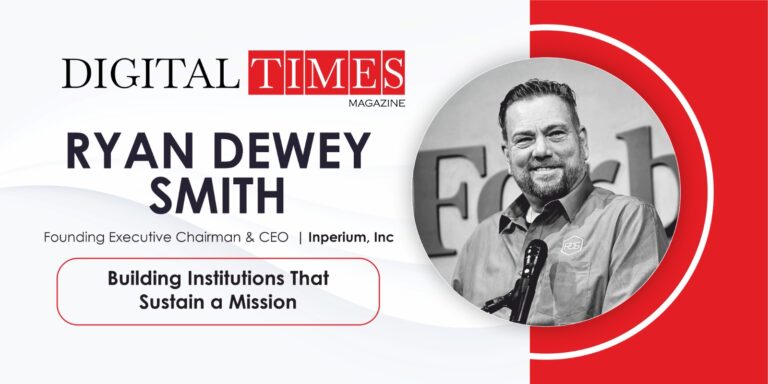
Ryan Dewey Smith: A mission can bring people together. Keeping it alive through years of change takes a different kind of commitment.
It means making difficult decisions. Moreover, it means growing without losing what makes an organization meaningful, and ensuring the work continues even when circumstances change.
In human services, the work directly affects people’s lives. Therefore, this responsibility carries particular weight.
The challenge is not simply to build something successful. However, to build something that can keep serving people well into the future.
This belief has shaped Ryan Dewey Smith’s career for more than three decades. As Executive Chairman & CEO of Inperium, Inc., Ryan brings the perspective of someone who has risen from Program Coordinator. He has led organizations through growth, change, and complex strategic decisions.
Moreover, his experience at Supportive Concepts for Families showed the importance of strengthening an organization. It grew from $4.5 million to $65 million in revenue and remained true to its purpose. Today, through his leadership at Inperium and his book, Sustaining the Mission, Ryan continues to explore what it takes to build human services organizations that remain strong and independent. They must stay committed to the people who rely on them.
Leadership Shaped by Experience
Ryan’s journey in human services began as a Program Coordinator, an experience that gave him a close understanding of the work and the people it serves. As his responsibilities expanded to executive leadership, he learned that a strong mission must be supported by capable people, sound operations, and financial discipline. He believes leadership is less about having every answer and more about listening, taking responsibility, and remaining open to change. As organizations grow, their challenges evolve, requiring leaders to continue learning and adapt their approach.
The Foundations of Lasting Social Impact
For Ryan Dewey Smith, building a sustainable, mission-driven organization requires a clear purpose. It also needs capable leadership and the operational and financial strength to carry its work forward.
These elements must function together. Additionally, good intentions alone cannot sustain services. Financial growth has little value if an organization loses sight of the people it serves. He believes leaders must understand communities, assess resources realistically, and establish systems and teams to sustain meaningful work over time.
Scaling with Purpose and Strategic Discipline
During his 18 years as President and CEO of Supportive Concepts for Families (SCFF), Ryan helped grow the organization from $4.5 million to $65 million in revenue. Founded in 1993 with one facility and one person in its care, the organization had expanded to 1,300 employees by 2018. Disciplined expansion, including acquisitions, played an important role in this growth.
A significant turning point came in 2012, when Pennsylvania transitioned to fee-for-service payments. Providers received the same rate for a service regardless of their individual costs, requiring SCFF to rethink its operations and improve efficiency. Ryan recognized that scale could strengthen the organization, but traditional mergers and acquisitions could risk eroding its identity and independence. This experience shaped his thinking around strategic affiliation, allowing organizations to benefit from collective strength while preserving their individual missions.
Balancing Mission with Financial Responsibility
Ryan approaches major strategic decisions by first considering the mission and the people who depend on the organization’s services. He then evaluates the financial commitments, operational capacity, people involved, and potential long-term risks. For him, mission and financial discipline are complementary rather than competing priorities. Financial stability protects an organization’s ability to serve, and a sound decision must address a genuine need while remaining within the organization’s capacity to deliver responsibly.
Partnerships Built on Trust and Shared Purpose
Ryan believes successful affiliations begin with a shared commitment to the mission and an honest understanding of what each organization brings to the relationship. Clear decision-making structures, defined responsibilities, realistic expectations, and effective arrangements for shared support are essential. Leaders must also assess cultural compatibility, financial realities, and the time required to establish trust. While affiliation can create greater strength, it demands candor, sustained effort, and a willingness to address differences directly. Throughout the process, the communities being served must remain the central priority.
A Culture That Adapts Without Losing Its Identity
For Ryan, organizational resilience begins when people understand why change is necessary and how it connects to the organization’s purpose. Leaders must listen to staff, ensure that resources and expectations align with strategy, and communicate decisions clearly. He also believes culture is shaped by everyday leadership behaviors, including integrity, accountability, and openness to concerns. Maintaining these principles during periods of transformation enables organizations to adapt while remaining grounded in their mission.
Innovation That Gives People More Time to Serve
Ryan sees significant opportunities for innovation in improving workforce support and reducing administrative burdens. Technology and shared operational resources can help staff devote more attention to the people and communities they serve. He also sees value in using data to identify changing needs and assess whether programs are delivering meaningful results. For him, innovation begins with a practical question: what can help an organization serve people more effectively and sustainably over the long term?
Sustaining the Mission Through Collaboration
Published in September 2026, Ryan’s book, Sustaining the Mission, draws on lessons from the evolution of Inperium and the contributions of colleagues and peers. He wrote it to share insights into building organizations that can grow without losing their purpose. One of its central principles is that a mission cannot sustain operations without a reliable organizational foundation. Ryan believes leaders must combine their commitment to service with strong operational systems and a willingness to collaborate, ensuring that their organizations remain capable of delivering on their promises.
The Future of Human Services
Ryan believes technology, data, new operating models, and strategic collaboration will help human services organizations respond more effectively to emerging needs and make better decisions. These tools are valuable when they help leaders identify improvements and strengthen service delivery. However, he maintains that technology must not replace the trust and judgment fundamental to human services. Strategic collaboration can also provide organizations with access to expertise and capabilities they may not be able to develop independently, strengthening their capacity to create lasting social impact.
A Legacy of Stronger Institutions
After more than three decades in human services, Ryan hopes his most meaningful contribution will be the development of organizations capable of continuing their work through change and uncertainty. His experience has reinforced his belief that dedication must be accompanied by strong institutions and leaders who think beyond immediate challenges. He wants future leaders to recognize collaboration as a source of strength and understand that growth matters most when it enables organizations to serve their communities with greater stability, reach, and care.
A Leadership Lesson from an Unconventional Book
Ryan does not consider himself an avid reader, but one book that has stayed with him is Cesar Millan’s Cesar’s Way. Although it may seem like an unconventional choice for leadership inspiration, its principles of remaining calm and confident, establishing trust, maintaining consistency, and understanding what motivates others have influenced his perspective. He believes leadership is not about having the loudest voice in the room. It is about building confidence, setting expectations, and giving people the opportunity to succeed.
The Team Behind Every Achievement
Football has always been Ryan’s favorite sport to watch, particularly when the Philadelphia Eagles are playing. Having grown up playing football and baseball, he credits sports with helping shape his understanding of discipline, accountability, resilience, and teamwork. Sports taught him the importance of understanding one’s role and trusting others to fulfill theirs. He believes that regardless of individual talent, sustained success depends on people who share responsibilities and commit themselves to a common goal. The concept of TEAM has remained central to his leadership philosophy throughout his career.
Family as a Source of Perspective
Ryan considers being a parent one of the greatest influences on his life. Parenthood has deepened his understanding of responsibility, patience, priorities, and the importance of setting an example. His children have strengthened his appreciation for building something that lasts and reminded him that legacy extends beyond professional achievements. For him, it is equally about the example a person leaves behind and the influence they have on those around them.
The Philosophy of Making Things Happen
One principle that has guided Ryan throughout his career comes from legendary football coach Bear Bryant: “Cause something to happen.” He interprets these words as a call to take ownership rather than wait for circumstances to change. The philosophy encourages him to work hard, persevere, think creatively, and seek alternative paths when conventional approaches fail. It has reinforced his willingness to challenge established thinking and pursue better ways of doing things.
Life Beyond the Boardroom
Motorcycles are among Ryan’s greatest passions outside work. He enjoys collecting, riding, and especially customizing them. He also values spending time with his family and their dogs, as well as traveling whenever his schedule allows. These interests offer him an opportunity to recharge, enjoy experiences beyond his professional responsibilities, and remain connected to the people and activities that bring balance to his life.
Also Read: How Ryan Dewey Smith Builds Sustainable Institutions