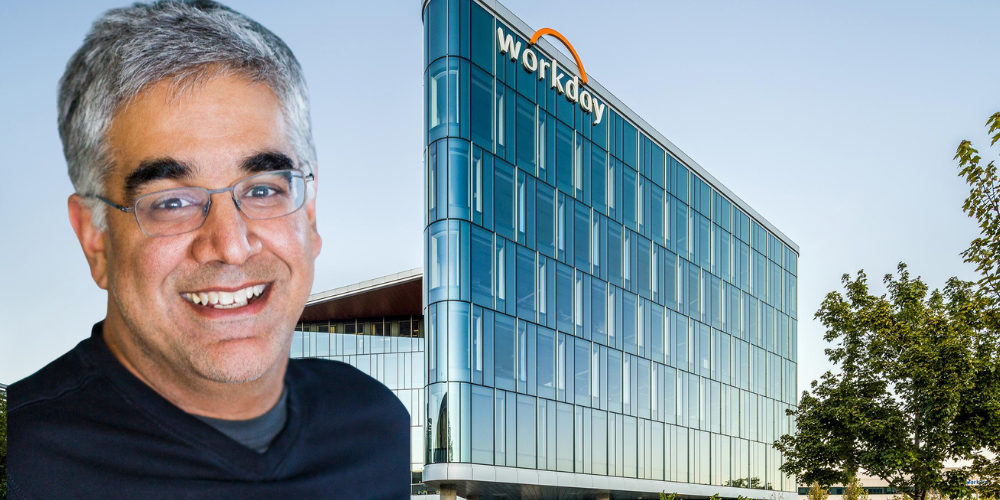
| Profile Overview | Details |
|---|---|
| Name | Aneel Bhusri |
| Position | CEO & Co-Founder of Workday |
| Industry | Cloud ERP & Human Capital Management |
| Known For | Transforming enterprise software through cloud innovation |
| Company | Workday |
| Expertise | ERP, HCM, Cloud Computing, Enterprise Technology |
| Education | Brown University, Stanford Graduate School of Business |
| Leadership Style | People-focused, innovative, customer-centric |
Aneel Bhusri: The Technology Visionary Behind Workday’s Global Success
In the rapidly evolving world of enterprise technology, only a handful of leaders have truly changed the way modern organizations operate. Among those influential visionaries, Aneel Bhusri stands out as one of the most respected names in cloud ERP and Human Capital Management technology. As the co-founder and CEO of Workday, Bhusri has transformed enterprise software through innovation, customer-focused leadership, and a bold vision for the future of work.
Over the past two decades, Workday has emerged as one of the world’s leading providers of cloud-based ERP, finance, and HR solutions. Under Bhusri’s leadership, the company became a trusted technology partner for thousands of organizations worldwide, including Fortune 500 enterprises, educational institutions, healthcare systems, financial organizations, and government agencies.
What makes Aneel Bhusri’s journey particularly inspiring is his ability to recognize industry transformation long before it became mainstream. At a time when traditional enterprise systems dominated the market, Bhusri understood that cloud computing would redefine how businesses manage people, operations, and financial processes.
Rather than simply improving legacy systems, he helped create an entirely new generation of enterprise software designed around agility, scalability, accessibility, and user experience.
Today, Workday is recognized globally for innovation in cloud ERP, workforce management, financial planning, analytics, and artificial intelligence-driven enterprise applications.
The company’s success reflects Bhusri’s long-term strategic thinking, commitment to innovation, and deep understanding of organizational needs in the digital economy.
Early Life and Educational Background
Aneel Bhusri’s journey toward becoming one of the world’s leading enterprise technology executives began with a strong academic foundation and a passion for innovation.
He earned a degree in electrical engineering from Brown University before completing his MBA at Stanford Graduate School of Business. This combination of technical knowledge and business expertise helped him develop a unique perspective that later became instrumental in building Workday.
Unlike many leaders who focused only on engineering or business strategy, Bhusri possessed the ability to understand both technology architecture and organizational challenges. This balanced perspective enabled him to identify the limitations of traditional enterprise software and envision a better future for businesses worldwide.
His educational background also prepared him to navigate the increasingly complex relationship between technology and business operations.
Professional Journey Before Workday
Before founding Workday, Aneel Bhusri spent several years at PeopleSoft, one of the most recognized enterprise software companies of its era.
During his time at PeopleSoft, he gained extensive experience in ERP systems, human capital management, customer operations, and enterprise software development. He worked closely with customers and observed the growing frustration businesses faced with outdated systems that were expensive, difficult to maintain, and lacking flexibility.
Traditional enterprise software often required years of implementation, large IT teams, and complex upgrades. Organizations struggled to adapt quickly to changing business environments because their systems were rigid and heavily dependent on on-premise infrastructure.
The acquisition of PeopleSoft by Oracle in 2005 became a major turning point for Bhusri. Instead of continuing with conventional enterprise technology models, he saw an opportunity to create something entirely new.
That vision eventually became Workday.
The Birth of Workday
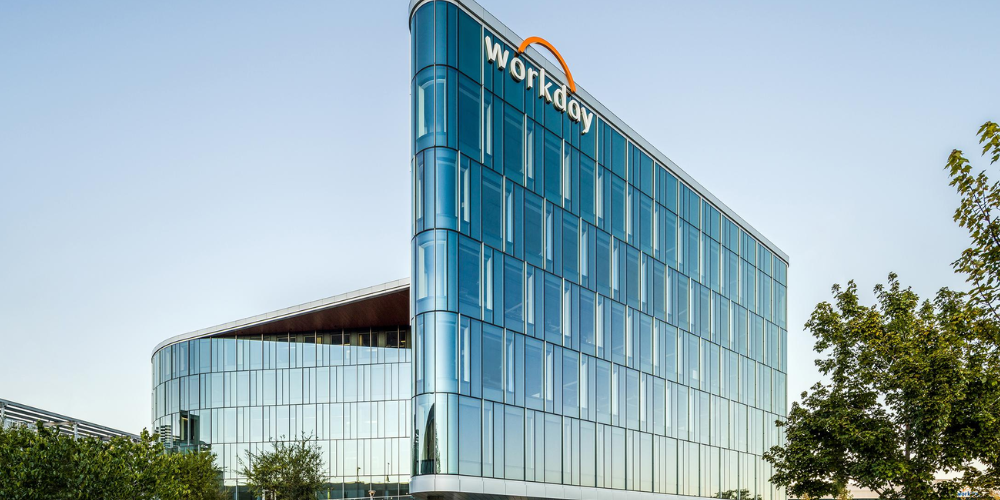
In 2005, Aneel Bhusri co-founded Workday alongside Dave Duffield with a clear mission: to revolutionize enterprise applications using cloud technology.
At that time, cloud computing was still emerging, and many enterprises were hesitant to trust cloud-based systems for mission-critical operations. However, Bhusri strongly believed that cloud infrastructure represented the future of enterprise software.
Rather than modernizing old software models, Workday was built from the ground up as a cloud-native company.
This decision became one of Workday’s greatest competitive advantages.
Core Vision Behind Workday
Workday focused on solving several major enterprise software challenges:
| Traditional ERP Challenges | Workday’s Cloud-Based Solution |
|---|---|
| Complex implementation | Simplified deployment |
| Expensive upgrades | Continuous automatic updates |
| Poor user experience | Modern intuitive interface |
| Limited accessibility | Mobile and cloud accessibility |
| Fragmented systems | Unified HR and finance platform |
| Slow reporting | Real-time analytics and insights |
The company’s focus on agility, simplicity, and user-centric design helped it stand out in a highly competitive market.
Bhusri recognized that businesses needed enterprise systems that could evolve rapidly alongside organizational changes.
Transforming Human Capital Management
One of Aneel Bhusri’s most important contributions to enterprise technology has been the transformation of Human Capital Management (HCM).
Historically, HR systems were viewed primarily as administrative tools focused on payroll and compliance. Bhusri saw HR technology differently.
He believed that people are the most valuable asset within any organization and that technology should empower better workforce decisions.
Under his leadership, Workday developed advanced HCM solutions that enabled organizations to:
- Improve workforce planning
- Enhance employee engagement
- Manage talent effectively
- Support leadership development
- Analyze workforce trends
- Improve recruitment strategies
- Strengthen organizational agility
This shift helped HR evolve from an administrative function into a strategic business driver.
Workday’s HCM platform became especially valuable as organizations navigated remote work, digital transformation, workforce restructuring, and global talent shortages.
The company’s ability to provide real-time workforce insights gave enterprises a competitive advantage in rapidly changing business environments.
Expanding Into Financial Management
While Workday initially gained recognition for HR technology, Aneel Bhusri understood that sustainable growth required broader enterprise capabilities.
This realization led Workday to expand aggressively into financial management and enterprise planning.
Traditional financial systems often suffered from outdated infrastructure, disconnected data, and slow reporting processes. Bhusri aimed to modernize finance operations using the same cloud-first philosophy that transformed HR.
Benefits of Workday Financial Management
| Key Features | Business Benefits |
|---|---|
| Real-time reporting | Faster decision-making |
| Unified data model | Improved accuracy |
| Cloud infrastructure | Reduced IT complexity |
| Automated workflows | Higher operational efficiency |
| Advanced analytics | Better forecasting |
| Enterprise planning tools | Strategic financial management |
This integrated approach allowed organizations to unify HR and financial operations within a single cloud ecosystem.
The result was improved visibility, operational efficiency, and better strategic planning.
Leadership Philosophy of Aneel Bhusri
Aneel Bhusri is widely respected not only for his technological vision but also for his leadership style.
Unlike many executives who focus purely on financial growth, Bhusri consistently emphasized culture, trust, innovation, and customer success.
He believed that company culture directly influences long-term business performance.
Under his leadership, Workday became known for:
- Strong employee engagement
- Collaborative work culture
- Customer-first innovation
- Ethical leadership
- Diversity and inclusion initiatives
- Transparent communication
Bhusri’s people-focused leadership style helped Workday maintain a strong organizational identity even as it scaled globally.
His philosophy demonstrated that rapid growth and healthy company culture can coexist successfully.
Competing Against Global Enterprise Giants
The enterprise software industry is one of the most competitive sectors in the technology world.
Workday competes against major global companies such as Oracle, SAP, and Microsoft.
Despite this intense competition, Aneel Bhusri successfully positioned Workday as a leading innovator in cloud ERP and HCM.
Key Competitive Strengths of Workday
| Competitive Advantage | Impact |
|---|---|
| Cloud-native architecture | Greater flexibility and scalability |
| Unified platform | Simplified enterprise management |
| Customer-centric innovation | Higher customer satisfaction |
| Continuous updates | Faster innovation cycles |
| Modern user experience | Improved adoption rates |
| Strong analytics capabilities | Better business intelligence |
Bhusri’s strategy focused on long-term value creation rather than short-term market trends.
This disciplined approach enabled Workday to build strong customer relationships and expand steadily across industries.
Driving Innovation Through Artificial Intelligence
As artificial intelligence became increasingly important in enterprise technology, Aneel Bhusri positioned Workday at the forefront of AI-driven innovation.
He recognized that AI would fundamentally reshape workforce management, financial planning, and enterprise operations.
Under his leadership, Workday integrated machine learning and AI capabilities into multiple business functions.
AI Capabilities Introduced by Workday
- Intelligent talent acquisition
- Workforce analytics
- Predictive forecasting
- Skills intelligence
- Automated financial processes
- Employee experience optimization
- Business planning automation
Importantly, Bhusri advocated for responsible AI implementation.
He consistently emphasized the importance of maintaining human oversight and ethical decision-making while leveraging automation and intelligent technologies.
This balanced approach helped organizations embrace innovation while maintaining trust and accountability.
Global Expansion of Workday
From a startup founded by former PeopleSoft executives, Workday evolved into a global enterprise software leader under Aneel Bhusri’s guidance.
Today, Workday serves organizations across industries including:
| Industries Served by Workday |
|---|
| Healthcare |
| Financial Services |
| Education |
| Retail |
| Technology |
| Manufacturing |
| Government |
| Professional Services |
Many Fortune 500 companies rely on Workday for mission-critical HR and financial operations.
The company’s global growth reflects Bhusri’s ability to balance innovation, scalability, and customer trust.
Managing rapid expansion while maintaining product quality and organizational culture is one of the greatest challenges in technology leadership.
Bhusri navigated this challenge successfully through strategic planning and long-term vision.
Workday’s Role in Digital Transformation
Digital transformation has become a priority for organizations worldwide.
Businesses increasingly require flexible systems capable of adapting to market changes, remote work environments, evolving customer expectations, and workforce disruptions.
Workday’s cloud-based solutions became essential tools for organizations undergoing digital transformation.
How Workday Supports Digital Transformation
| Transformation Area | Workday Contribution |
|---|---|
| Workforce management | Real-time employee insights |
| Financial planning | Faster forecasting and reporting |
| Remote work support | Cloud accessibility |
| Decision-making | Advanced analytics |
| Operational agility | Unified enterprise systems |
| Automation | Reduced manual processes |
Aneel Bhusri’s early investment in cloud infrastructure positioned Workday perfectly for the digital economy.
As organizations accelerated cloud adoption globally, Workday emerged as one of the leading enterprise platforms enabling business modernization.
Recognition and Industry Influence
Over the years, Aneel Bhusri has received widespread recognition for his contributions to enterprise technology and cloud computing.
Industry analysts, business publications, and technology experts frequently rank him among the most influential leaders in enterprise software.
However, his influence extends far beyond awards and business growth.
Bhusri helped change how organizations think about enterprise systems entirely.
Before the rise of cloud-native platforms like Workday, enterprise software was often associated with:
- Complexity
- High maintenance costs
- Slow implementation cycles
- Poor user experiences
- Limited flexibility
Workday challenged those assumptions by proving that enterprise software could be modern, intuitive, scalable, and continuously evolving.
This transformation accelerated cloud adoption across the enterprise technology industry.
Important Leadership Lessons From Aneel Bhusri
Aneel Bhusri’s professional journey offers valuable insights for entrepreneurs, executives, and business leaders.
1. Long-Term Vision Creates Industry Transformation
Bhusri recognized the potential of cloud computing before it became mainstream in enterprise software.
His willingness to invest in long-term innovation helped Workday become a market leader.
2. Customer Experience Matters
Workday’s focus on simplicity, usability, and customer success became major differentiators.
Bhusri understood that enterprise users deserved intuitive and efficient technology experiences.
3. Innovation Requires Courage
Launching a cloud-native ERP company during an era dominated by legacy systems involved significant risk.
His confidence in cloud technology ultimately reshaped the industry.
4. Culture Drives Sustainable Growth
Bhusri consistently emphasized organizational culture as a strategic business advantage.
This approach helped Workday maintain strong employee engagement and customer trust.
5. Adaptability Is Essential
Technology markets evolve rapidly.
Bhusri continuously adapted Workday’s strategy to align with emerging trends including AI, analytics, remote work, and workforce transformation.
The Lasting Legacy of Aneel Bhusri
Aneel Bhusri’s impact on enterprise technology is profound and long-lasting.
Through Workday, he helped accelerate the global shift toward cloud-based enterprise operations while redefining expectations for ERP and HCM systems.
His leadership transformed Workday into one of the world’s leading providers of cloud enterprise applications.
More importantly, he demonstrated how technology can empower organizations to become more agile, data-driven, and people-focused.
Today, enterprises increasingly expect:
- Real-time business insights
- Cloud accessibility
- Intelligent automation
- Integrated workforce and financial systems
- Better user experiences
- Scalable enterprise infrastructure
Much of this transformation reflects the vision and innovation championed by Aneel Bhusri.
As the future of work continues evolving through AI, automation, and digital transformation, his influence on enterprise technology will remain highly significant.
His journey stands as a powerful example of visionary leadership, innovation, resilience, and customer-focused transformation.
Aneel Bhusri, the CEO and co-founder of Workday, is widely recognized as one of the most influential leaders in cloud ERP and Human Capital Management technology. Through innovation, visionary leadership, and a strong customer-first philosophy, Bhusri transformed Workday into one of the world’s leading enterprise software companies. This blog explores his leadership journey, Workday’s growth story, cloud ERP innovation, AI-driven enterprise transformation, and his lasting impact on the future of work.
Conclusion
Aneel Bhusri’s leadership journey is one of the most inspiring success stories in modern enterprise technology.
From his early experiences at PeopleSoft to co-founding Workday and transforming the global ERP and HR software industry, he consistently demonstrated visionary leadership and a deep understanding of organizational needs.
Under his guidance, Workday became far more than a software company. It became a symbol of digital transformation, cloud innovation, and people-first enterprise technology.
His ability to combine technical innovation with strong organizational culture helped Workday achieve sustainable growth while maintaining customer trust and industry leadership.
As organizations worldwide continue navigating digital transformation and the future of work, Aneel Bhusri’s contributions to cloud ERP, human capital management, and enterprise innovation will continue shaping the business world for years to come.
His story is not only about building a successful company — it is about redefining how modern enterprises operate in the digital age.